

Ever stepped out of a bath feeling squeaky clean, only for your skin to feel tight before you’ve reached for the towel? Or picked up a handmade bar that felt creamy, almost cushiony, and wondered why soap could feel so different? The answer usually comes down to how the bar was made.
Cold process soap is a handmade soap created by mixing fats and oils with lye at low temperatures, then curing the bars for several weeks. Because nothing is separated out afterwards, the glycerin that forms during the process stays inside the bar, which changes how it lathers, rinses and feels afterwards. Let’s unpack the chemistry, gently, the way a good soap should.
Why Does Cold Process Soap Feel Different on Skin?
Cold process soap feels different because it keeps the glycerin that forms during soap making, along with a small amount of unreacted oil, inside the finished bar. Together, they give a creamier lather and a softer after-feel than many mass-produced soaps, where glycerin is often separated out during manufacture.
Saponification is the reaction in which oils and lye turn into soap and glycerin. A typical cold process soap recipe needs only oils or butters, water and sodium hydroxide, with a little extra oil (the superfat) left unreacted.
What to Look for in Handmade Cold Process Soap
Whether you’re browsing handcrafted soap bars or reading a label in a shop, check these five things:
- A full ingredient list: Look for oils, butters, water and sodium hydroxide named openly, or oils listed in their saponified form (such as sodium cocoate or sodium olivate). Either way, true soap can't be made without lye.
- A blend of oils: Coconut oil brings bubbles, olive oil brings softness and castor oil brings a steadier lather, so a blend feels more balanced.
- Butters for cushion: Kokum or shea butter adds hardness and a dense, creamy lather that dry skin tends to appreciate.
- A proper cure: Bars cured for several weeks are harder and last longer, which matters in a steamy, humid Indian bathroom.
- A scent your skin agrees with: If fragrance tends to bother you, patch test a new bar on your inner arm first.
Here’s how the main types of bar soap compare:
| Bar Type | How It's Made | Glycerin | How It Tends to Feel |
|---|---|---|---|
| Cold process | Oils and butters mixed with lye at low heat, then cured for weeks | Stays in the bar | Creamy lather; skin often feels soft, not squeaky |
| Hot process | Same ingredients, cooked to speed up saponification | Stays in the bar | Rustic texture; ready to use sooner |
| Melt and pour | A ready-made base is melted, scented and set again | Depends on the base | Varies; some bases contain synthetic detergents |
| Mass-produced bar soap | Made in large batches, then dried and milled | Often removed during manufacture | Firm and long-lasting; can leave dry skin tight |
| Syndet bar | Pressed from synthetic detergents, not true soap | Often added as an ingredient | Mild-feeling; often closer to skin's pH |
Is Cold Process Soap Good for Your Skin? What the Experts Say
Cold process soap can be a comfortable everyday cleanser for many skin types, but it isn’t magic. The main cold process soap benefits come from retained glycerin and extra oils, which help skin feel less stripped. It’s still true soap, so it’s alkaline, and very dry or reactive skin may need extra care.
- Glycerin supports hydration: A review in the British Journal of Dermatology reports that glycerol (glycerin) improves hydration in the skin’s outer layer and supports barrier function. Most of that research is on leave-on products, and in a rinse-off bar much of the glycerin washes away, so a soap won't do a moisturiser's job. Still, it's one reason soapmakers prefer to leave it in.
- Soaps are alkaline: A study in the Indian Journal of Dermatology found healthy skin has a pH of about 5.4 - 5.9, and that most bathing soaps tested measured 9–10. That sounds harsh, but healthy skin rebalances itself: research shows skin pH usually returns to normal within 30 minutes to a few hours after washing. Cold process bars also keep their natural glycerin and are usually made with extra oils, which makes them less drying. Moisturising afterwards still helps.
- How you bathe matters too: The American Academy of Dermatology advises 5–10 minute baths and showers in warm, not hot, water. It also advises applying moisturiser within a few minutes of drying off.
See a dermatologist if dryness, itching, cracking or redness persists despite a gentler routine, or if a new soap triggers a rash. The AAD notes that dry skin can signal a condition needing treatment and suggests fragrance-free products for very dry, sensitive skin.
Our Picks for Handmade Soap Bars
Both bars are cold processed, poured by hand and cured for six to eight weeks in THE BARE BAR’s own facility in Bengaluru. Each product page lists the full ingredients. Both are vegan and gently scented. If your skin is very sensitive or reacts to fragrance, patch test a new bar on your inner arm first.
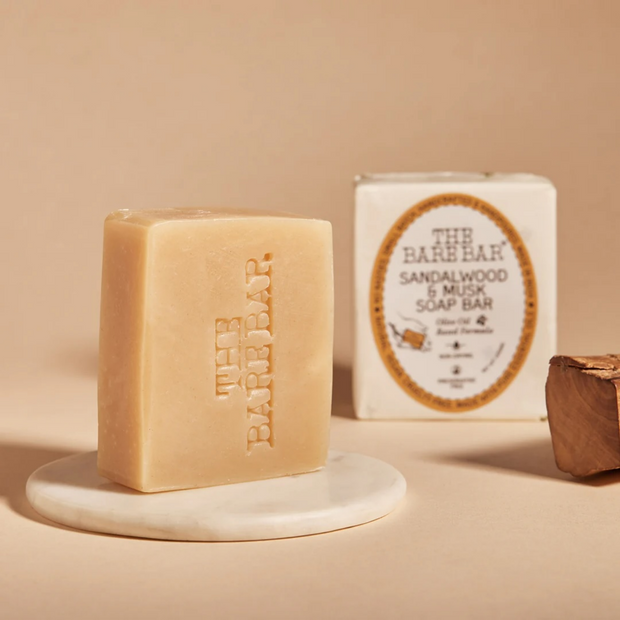
Sandalwood & Musk Soap Bar: Real sandalwood powder, kokum butter and five oils give this bar a rich lather and a warm, woody scent, while arrowroot powder adds an almost velvety finish. It suits dry or mature skin, and anyone who prefers a grounding fragrance to a sweet one.
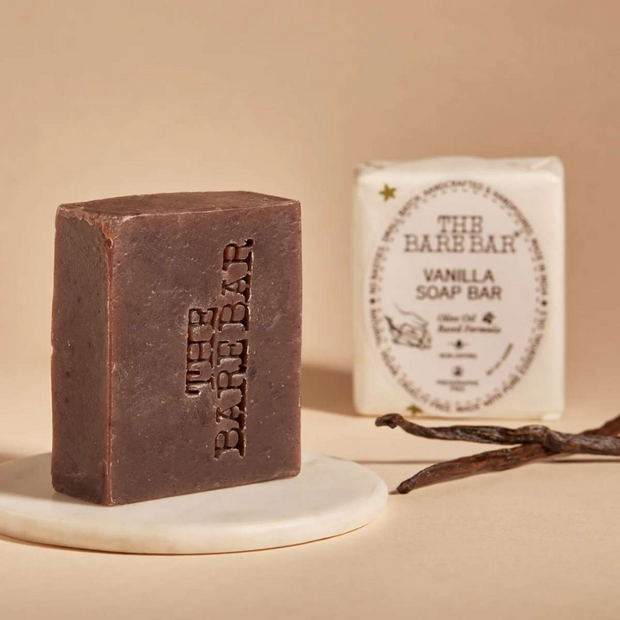
Vanilla Soap Bar: Kokum butter and five plant oils make this a gentle everyday bar, with arrowroot powder for a smoother, silkier lather. It suits skin that feels tight straight after a bath, especially in dry North Indian winters.
How to Use Cold Process Soap in India: Small Tweaks, Big Difference
Use cold process soap with short, warm showers, a gentle lather, a thorough rinse and a moisturiser on damp skin, and let the bar dry out between uses. These habits help a handmade bar perform through sticky summers, monsoon humidity and dry winters.
- Keep it short and warm: Follow the AAD’s 5–10 minute guideline and skip the steaming-hot bucket bath, even on chilly winter mornings.
- Rinse well in hard water: Hard-water minerals react with soap and can leave a dull film, so an extra rinse helps skin feel clean.
- Let the bar drain: Handmade soap softens in standing water, so use a draining dish away from the shower stream, especially in the monsoon.
- Moisturise on damp skin: Pat dry gently and smooth on a body butter within a few minutes to help lock in water.
- Focus on sweaty zones in summer: On humid days, a quick lather on underarms, feet and skin folds is often enough.
Cold process soap feels different for a simple reason: it keeps the glycerin formed during soap making, plus a little extra oil, right in the bar. That means a creamier lather and skin that feels less tight, but it’s still soap, so good bathing habits matter just as much. Choose a well-cured bar with a transparent ingredient list, keep showers short and warm, and moisturise straight after. Bath time should feel like care, not a chore.
Frequently Asked Questions on Cold Process Soap
What is cold process soap?
Cold process soap is a handmade soap produced by mixing oils and butters with sodium hydroxide (lye) at low temperatures, pouring it into moulds and curing the bars for several weeks. Cold process soap making skips cooking. Because nothing is separated out, the glycerin formed during saponification stays in the bar.
Is cold process soap safe if it’s made with lye?
Yes. A properly made, fully cured cold process bar is safe to use, because the lye is used up during saponification. The US Food and Drug Administration notes that properly made soap has no lye left in the finished product. Curing then lets excess water evaporate before the bar reaches you.
How long does cold process soap need to cure?
Most handmade cold process bars need several weeks of curing before they’re ready to use. During this time, water evaporates and the bar becomes harder and longer-lasting. THE BARE BAR’s Sandalwood & Musk and Vanilla bars are cured for six to eight weeks.
What is the difference between cold process and hot process soap?
The main difference is heat and timing. Cold process bars are mixed at low temperatures and cured for weeks, giving a smooth bar. Hot process soap is cooked to speed up saponification, so it’s usable sooner but looks more rustic. When comparing cold process vs hot process soap, remember that both keep their glycerin in the bar.
Is cold process soap good for dry skin?
Often, yes. Butter-rich cold process bars tend to leave dry skin feeling less tight than harsher cleansers. Keep baths short and warm, then seal in moisture with a rich body butter while skin is still slightly damp. If dryness persists or turns itchy, check in with a dermatologist.
